
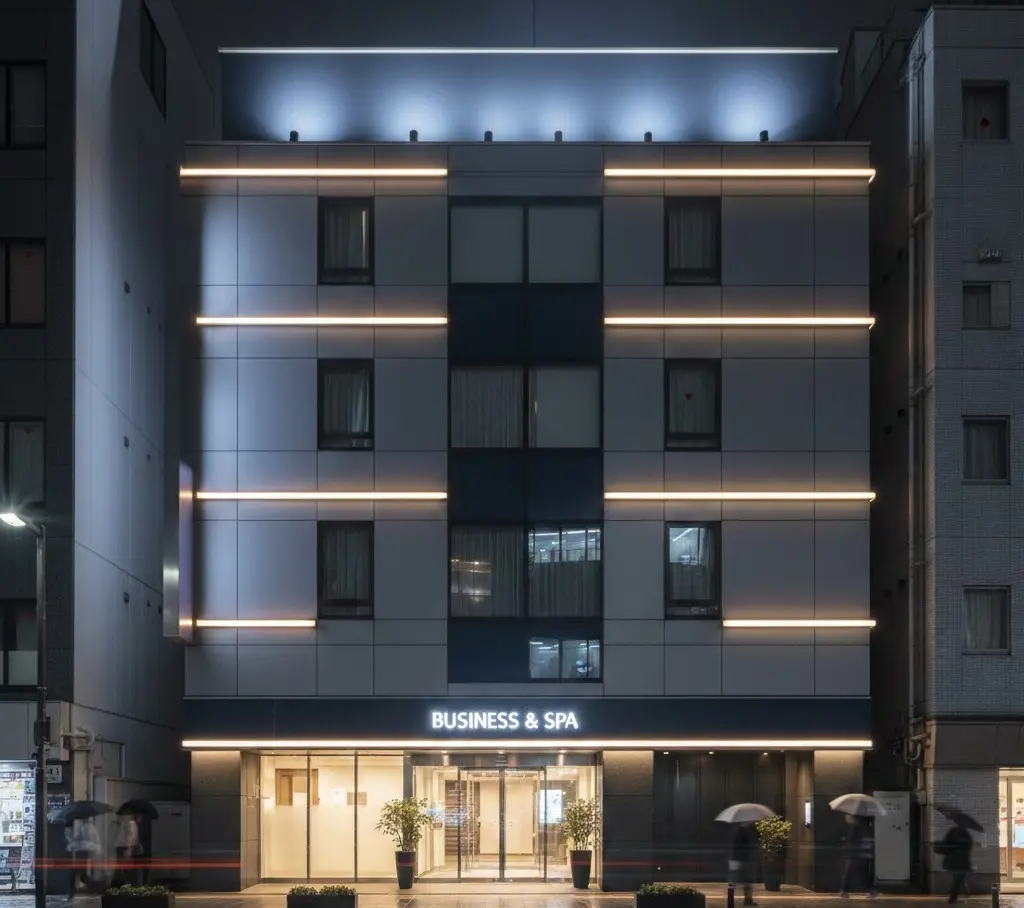
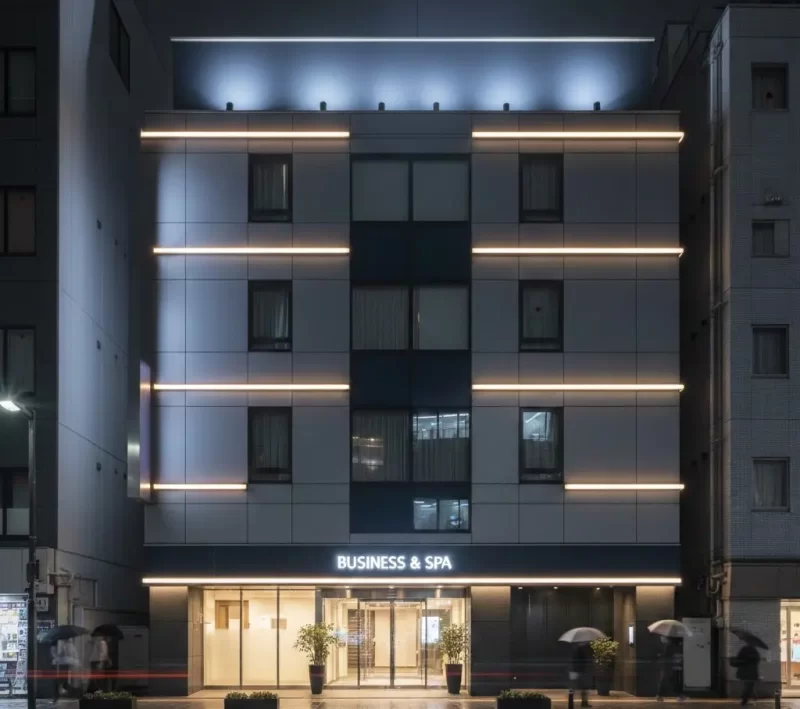
This guide is for you if:
- You’re visiting Japan and wondering what a “business hotel” actually is
- You want a clean, affordable place to sleep without paying luxury prices
- You’re trying to choose between hotel chains and have no idea where to start
- You’ve heard Japanese hotels are “different” and want to know what to expect
If you’re planning a trip to Japan and searching for affordable hotels, you’ll keep running into the term “business hotel.” The name is misleading — you don’t need a business reason to stay at one. Business hotels in Japan are simply budget-to-midrange hotels with small, efficient rooms at reasonable prices. Think of them as Japan’s answer to the budget hotel chain, except cleaner, better-equipped, and more consistent than what you might be used to back home.
I’ve been in the Japanese travel industry for over 30 years. This guide covers what you need to know as a foreign visitor: what’s inside, which chains to look at, how to book, and the things that will catch you off guard.
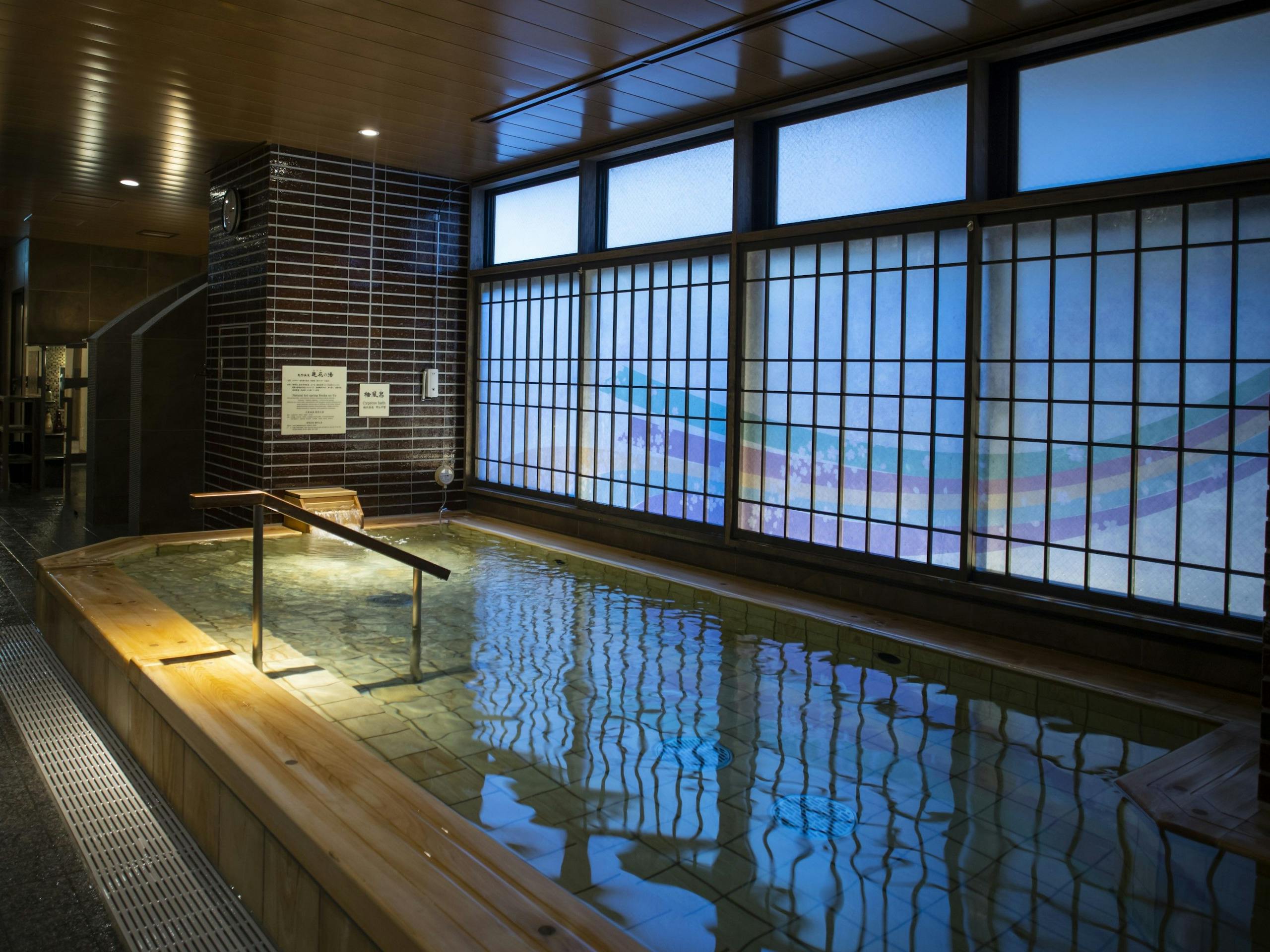
Natural Hot Spring Renge no Yu Onyado Nono Kyoto Shichijo (Dormy Inn Chain)
Nono Kyoto features a hinoki cypress bath, filling the bathing area with the warm, woody fragrance that Japanese bathers have loved for centuries. Photo: Ikyu
One tip before we start: when researching hotels in Japan, don’t rely only on international booking sites. Japanese platforms like Jalan and Rakuten Travel carry far more detailed information — often written and updated by the hotel staff themselves. You’ll find room photos, local area tips, and seasonal plans.
What Is a Japanese Business Hotel?
Originally built for domestic businesspeople traveling for work — hence the name. The rooms are compact (12–18 square meters), the service is efficient, and the focus is on giving you a clean, comfortable place to sleep without frills. But tourists have been staying at them for decades. For many experienced Japan travelers, business hotels are the default choice.
A standard room comes with more than you’d expect:
- Full toiletries — toothbrush, razor, comb, shampoo, conditioner, body wash
- Pajamas or a yukata (a light cotton robe)
- Slippers for the room
- A Japanese washlet toilet (heated seat with water spray)
- Free Wi-Fi and an electric kettle with green tea
- A “unit bath” — a prefabricated pod with a deep soaking tub, shower, and toilet
You do not need to pack toiletries for a stay at a Japanese business hotel. Everything is provided.
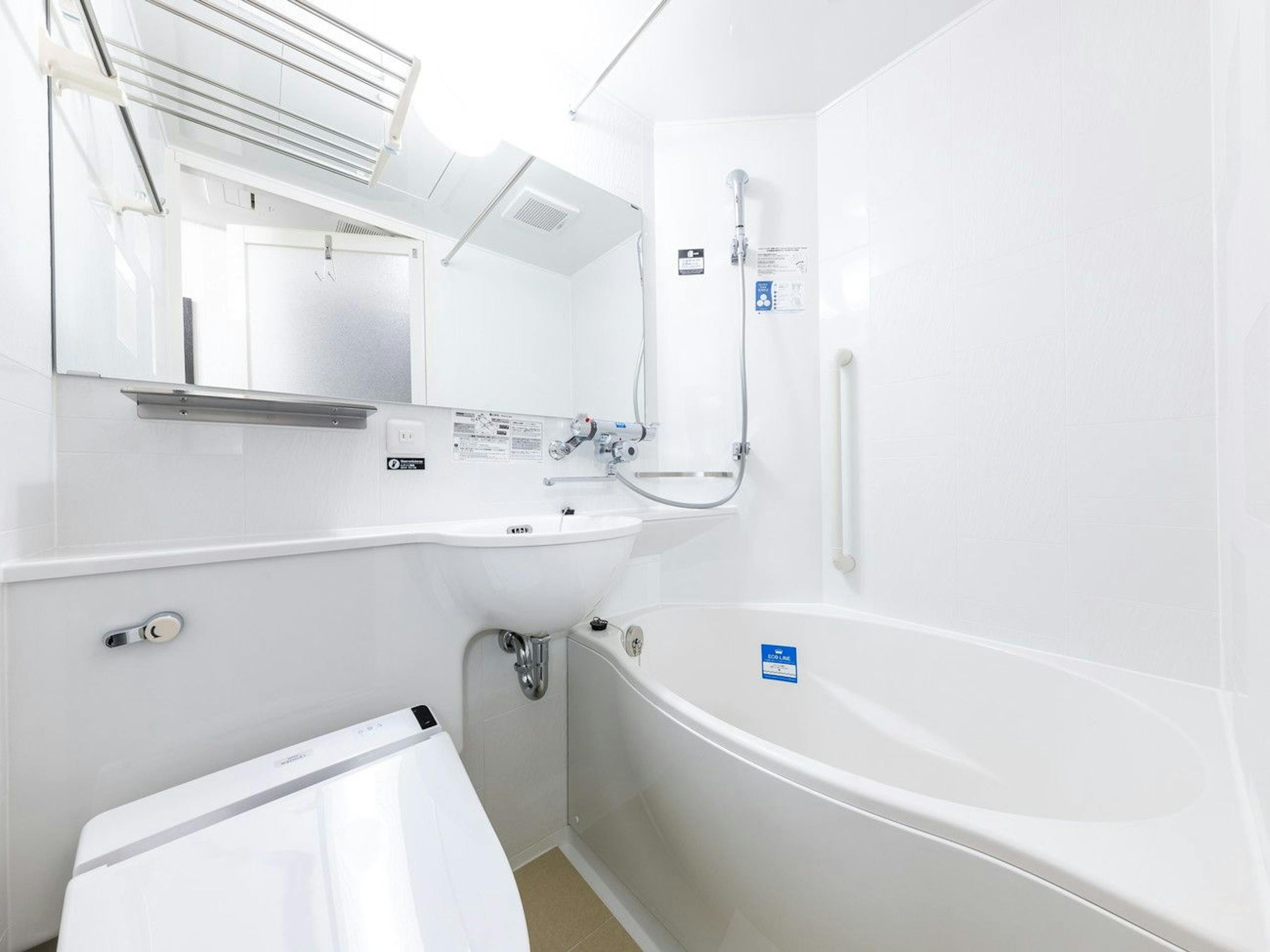
APA Hotel (Ueno Okachimachi Ekimae Minami) — APA Hotel is also proud of their custom-designed bathtub, which uses less water while still being deep enough for a proper soak. Photo: Ikyu
How Much Do Business Hotels in Japan Cost?
If older guides tell you “7,000–10,000 yen per night,” those numbers are outdated. Post-COVID tourism has pushed prices up significantly in major cities.
Realistic prices in 2025–2026
| City | Weekday | Weekend / Peak |
|---|---|---|
| Tokyo | 10,000–18,000 yen | 15,000–25,000+ yen |
| Osaka | 8,000–15,000 yen | 12,000–22,000+ yen |
| Kyoto | 9,000–16,000 yen | 15,000–30,000+ yen |
| Regional cities | 6,000–10,000 yen | 8,000–14,000 yen |
One thing that catches foreign visitors off guard: some Japanese hotels price per person, not per room. On Japanese booking sites, “6,500 yen” might mean per guest — two people would be 13,000 yen. Always check.
Tuesday through Thursday are almost always cheapest. Cherry blossom season (late March–mid April), Golden Week (late April–early May), and autumn foliage (November) push prices to their peak.
Major Business Hotel Chains in Japan — At a Glance
| Chain | Free Breakfast | Public Bath | Best For |
|---|---|---|---|
| APA Hotel | No (paid) | Some | Largest network, always near a station |
| Toyoko Inn | Yes | No | Reliable rooms, huge coverage across Japan |
| Dormy Inn | No (paid, regional specialties) | Yes (hot spring) | Onsen + free late-night ramen + best breakfast |
| Comfort Hotel | Yes | No | Western-style breakfast, Library Cafe |
| Super Hotel | Yes (organic) | Some | Organic food, choose-your-own pillow bar |
| Route Inn | Yes (30+ items) | Yes | Most generous free breakfast buffet |
Each chain has a distinct personality — from Dormy Inn’s regional seafood breakfast to Super Hotel’s pillow selection bar. There’s even a Marriott brand (Four Points Flex by Sheraton) operating at business hotel prices — some locations even have a Matsuya beef bowl restaurant on the ground floor.
See all Four Points Flex by Sheraton locations in Japan on our main site (Japanese)
How to Book a Business Hotel in Japan
Most foreign travelers default to Booking.com, and it works fine. But it’s rarely the cheapest option.
Quick booking tips
- The hotel’s own website is usually cheapest — 10–20% less than third-party sites
- Ikyu (ikyu.com) has a full English version and sometimes exclusive plans for upscale properties
- Jalan and Rakuten Travel — Use Chrome auto-translate on the Japanese site for the full selection
- Book early for peak periods — cherry blossom and autumn foliage, 2–3 months ahead
Why Japanese Booking Sites Have Better Information
Here’s something most foreign travelers don’t realize: on Japanese booking sites like Jalan and Rakuten Travel, the hotel listings are managed directly by the hotel staff. They write the descriptions, upload the photos, and update the information themselves. This means you’re getting first-hand details — current room layouts, seasonal menu changes, local restaurant recommendations, and access directions that only someone at the hotel would know.
It’s worth checking the Japanese OTA listing first for research. Use Chrome’s auto-translate if needed — the extra detail will help you make a better choice🎌

Check-In: What Foreign Visitors Need to Know
Bring your passport. Japanese law requires all foreign guests to show their passport at check-in. The hotel will photocopy it. This is non-negotiable, even if you booked and paid online.
Many hotels now have self-check-in machines with English support. Standard check-in is 15:00 and checkout is 10:00 — that’s earlier than the 11:00 or 12:00 common in other countries. Dormy Inn gives you until 11:00, and some chains offer late checkout for members.
Hotel check-in questions: Can I be late? Will they store my luggage? (Japanese)
Things That Will Surprise You at a Japanese Business Hotel
Japanese business hotels have quirks that puzzle first-time visitors. Here are the big ones:
- The key card powers your room. Insert it in a slot by the door to turn on electricity. Take it out when you leave — everything shuts off (except usually one charging outlet).
- Vending machines replace the minibar. Beer, chuhai cocktails, soft drinks — at convenience store prices (250–300 yen for a beer). No hotel markup.
- Convenience stores are your room service. 7-Eleven, Lawson, or FamilyMart within a 2-minute walk, open 24 hours. Japanese convenience store food is genuinely good.
- Coin laundry on-site. Most hotels have coin-operated washers and dryers. Pack for three days, stay for two weeks.
- Yukata or pajamas are provided. You’ll find sleepwear in your room. No need to pack your own.
We wrote a detailed guide on yukata and sleepwear at Japanese hotels:
Yukata, Pajamas, and Nightwear at Japanese Hotels — What You Get and What to Know
Room Types Explained
| Room Type | Bed Width | Best For |
|---|---|---|
| Single | 100–120 cm | One person only. Strictly enforced. |
| Semi-Double | 120 cm | One person comfortably. Very tight for two Western adults. |
| Double | 140 cm | Snug for couples who don’t mind close quarters. |
| Twin | 2 beds, 100–120 cm each | Best option for two people. |
A word of caution: “semi-double” doesn’t exist in most Western countries. The 120 cm bed is about the width of a large single. If you’re a couple, book a Twin or at least a Double.
Japanese hotels are strict about occupancy. You cannot check two people into a Single room, even if you’re willing to squeeze.
The Takeaway
Japanese business hotels offer remarkable value: immaculate rooms, more amenities than you’d expect, and locations within walking distance of major stations. The quality floor across all major chains is high — even a “basic” Japanese business hotel would rank above average in most countries. Start with the chain comparison to find the one that fits your trip!
Best Business Hotel Chains in Japan Compared — A Side-by-Side Guide
An eSIM lets you connect the moment you land in Japan — no SIM swap, no airport queue.
Use code RYOKONEW for 15% off your first order, or RYOKO for 10% off if you have used Airalo before.